
Around 1.5 million Australians over the age of 50 have signs of age-related macular degeneration (AMD), a condition that damages the macula and affects central vision.¹
There are two forms: wet AMD, where abnormal blood vessels leak fluid beneath the retina, and dry AMD, where the cells of the macula slowly break down. The most advanced stage of dry AMD, geographic atrophy, had no approved treatment until very recently.
Decades of dedication
The Lions Eye Institute’s commitment to AMD stretches back to our very beginnings. When Emeritus Professor Ian Constable AO established the institute in 1983, AMD research was among the first areas of focus. In 1990, a $3,000 grant from the Lions Save-Sight Foundation helped launch Emerita Professor Elizabeth Rakoczy’s pioneering gene therapy research for wet AMD. By the 2000s, the Institute had conducted one of Australia’s first anti-VEGF trials – a treatment that would go on to transform wet AMD care worldwide. Professor Rakoczy’s ‘Bio-Factory’ gene therapy approach later earned the 2017 CSL Florey Medal and was licensed internationally. That spirit of innovation continues today.
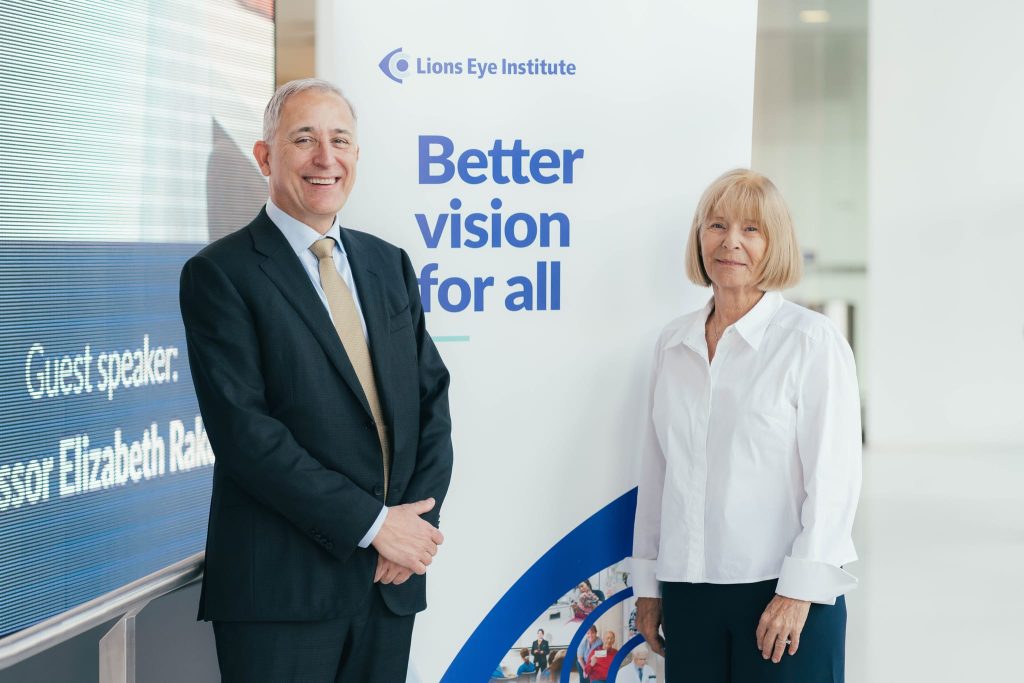
Dr Glen Power and Emerita Professor Elizabeth Rakoczy
A landmark moment for geographic atrophy
| For decades, people living with geographic atrophy had no treatment options. That changed in 2025, when Australia’s Therapeutic Goods Administration approved SYFOVRE® (pegcetacoplan), the first treatment for geographic atrophy available in Australia, making Australia the first country outside the United States to approve it.
This milestone was made possible, in part, by the Lions Eye Institute. Associate Professor Fred Chen, Director of Research at the Institute, led the Phase 3 OAKS study and its long-term extension, GALE – the clinical trials that underpinned SYFOVRE’s approval. Both studies were supported by Lions Vision Trials, our dedicated clinical trials unit. |
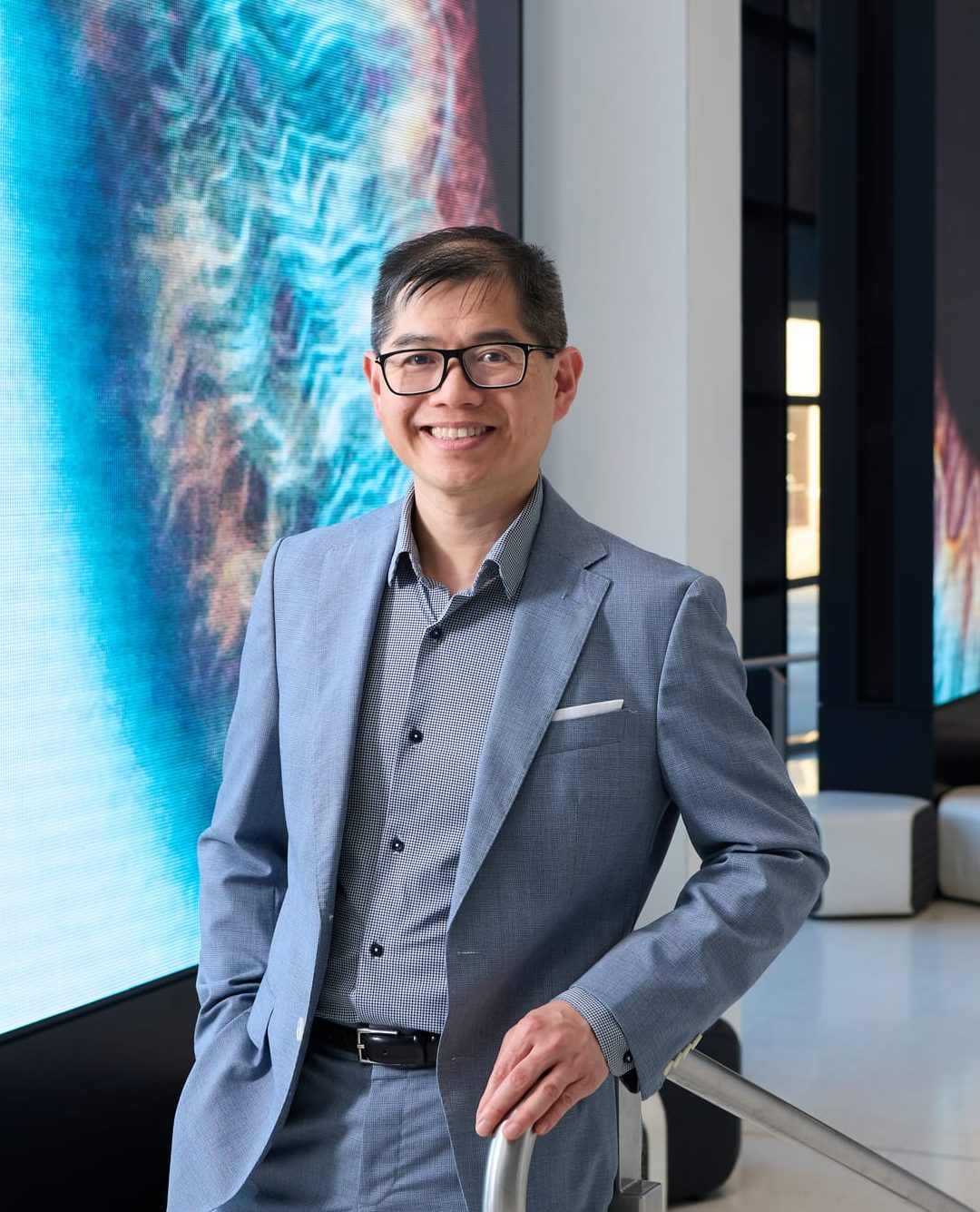 Associate Professor Fred Chen
|
Research across the full journey
 Professor Chandra Balaratnasingam |
Professor Chandra Balaratnasingam, Medical Director of the Institute, and Associate Professor Chen are now leading a wide range of ongoing AMD studies. For geographic atrophy, this includes the PHOENIX study trialling Tinlarebant, a once-daily oral tablet, as well as studies exploring new injection therapies and an observational study that may pave the way for future gene therapy.
For wet AMD, where treatments already exist, the research focus is shifting toward improving quality of life; reducing the frequency of injections and finding longer-lasting solutions. Current studies include the Constance study, led by Professor Balaratnasingam, alongside the Velodrome and Portal ROCHE Port Delivery System studies. |
With your support this Medical Research Giving Day, we can continue to break new ground in vision science.
¹ Macular Disease Foundation of Australia

