
Combatting the rising rates of childhood myopia is an urgent public health challenge, with projections suggesting that half of the world’s population could be affected by 2050. Early detection and intervention are crucial to preventing long-term vision loss and related complications.
At the Lions Eye Institute, three of our leading researchers are investigating different ways to identify the causes, early interventions and treatments to help prevent severe myopia.
Vital equipment gifts propel Dr Jessica Mountford’s early-onset myopia research

Dr Jessica Mountford
Dr Jessica Mountford and the Functional Molecular Vision team are investigating the genetic and environmental factors driving myopia, with a focus on early-onset high myopia. Using zebrafish screening and genome-wide association studies in Western Australian school children, the team aims to discover new treatment strategies for myopia progression.
Thanks to two vital equipment gifts, the research has made significant advancements. A generous bequest from patient Sandra, funded the acquisition of the Bioptigen OCT system, a cutting-edge imaging tool that allows detailed eye examination.
This system is critical not only for myopia research but also for conditions like glaucoma and macular degeneration. “Sandra’s gift has had an immediate impact,” says Dr Mountford. “It’s supporting research that could ultimately change lives for people with various eye conditions.”
The second milestone came with the installation of the Andor BC43 Benchtop Confocal Microscope, the first of its kind in Western Australia. Funded by a donor’s contribution at the Leeuwin Lunch for the Channel 7 Telethon Trust, this equipment revolutionises the zebrafish ocular genetics platform, allowing live observation of eye development and tracking retinal cells. “This microscope opens new possibilities in myopia research,” Dr Mountford explains.
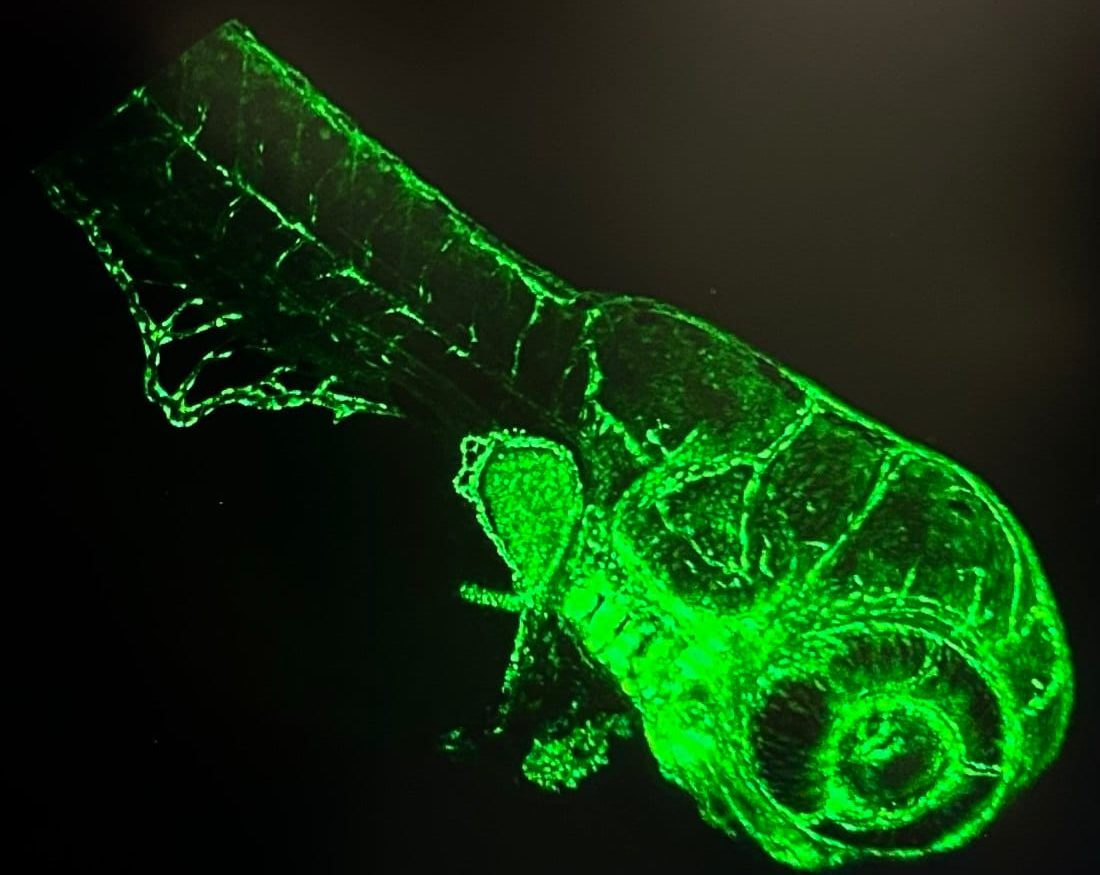
The Andor BC43 Benchtop Confocal microscope is producing stunning, high-resolution images of zebrafish embryos in real time
Tracking eye growth to prevent childhood myopia
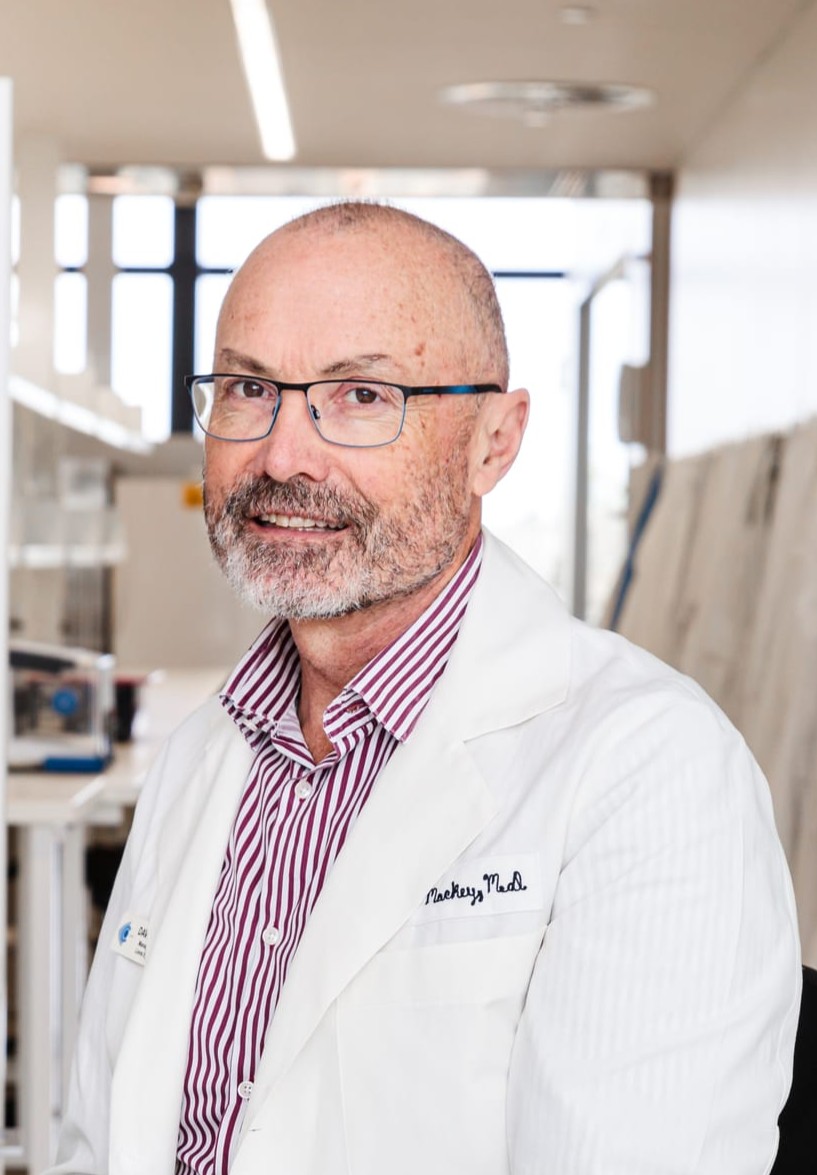 Building on the Raine Study Generation 3 and ORIGINS studies, Professor David Mackey AO, Dr Samantha Lee and Dr Gareth Lingham are conducting eye examinations in children to map eye growth and track the early signs of myopia. By linking eye development with lifestyle factors such as outdoor activity and sports participation, the team aims to identify children at risk of developing myopia and develop simple, practical interventions. These include walking or riding to school or engaging in outdoor sports, particularly over the winter months or even just having family meals outside.
“We’re focusing on early intervention,” says Professor David Mackey AO. “By understanding the relationship between eye growth and lifestyle, we can help protect vision, promote healthy habits and improve lifelong eye health.”
The team’s research aims to provide valuable insights into how myopia develops in childhood and how to mitigate its progression through targeted lifestyle changes that increase time outdoors safely. The goal is not just to slow down the onset of myopia but to prevent it starting, helping children maintain healthy vision as they grow.
With myopia rapidly becoming one of the most common vision problems worldwide, Professor Mackey’s work has the potential to significantly influence myopia management and prevention strategies, making an impactful contribution to global eye health.
Exploring the immune system’s role in myopia
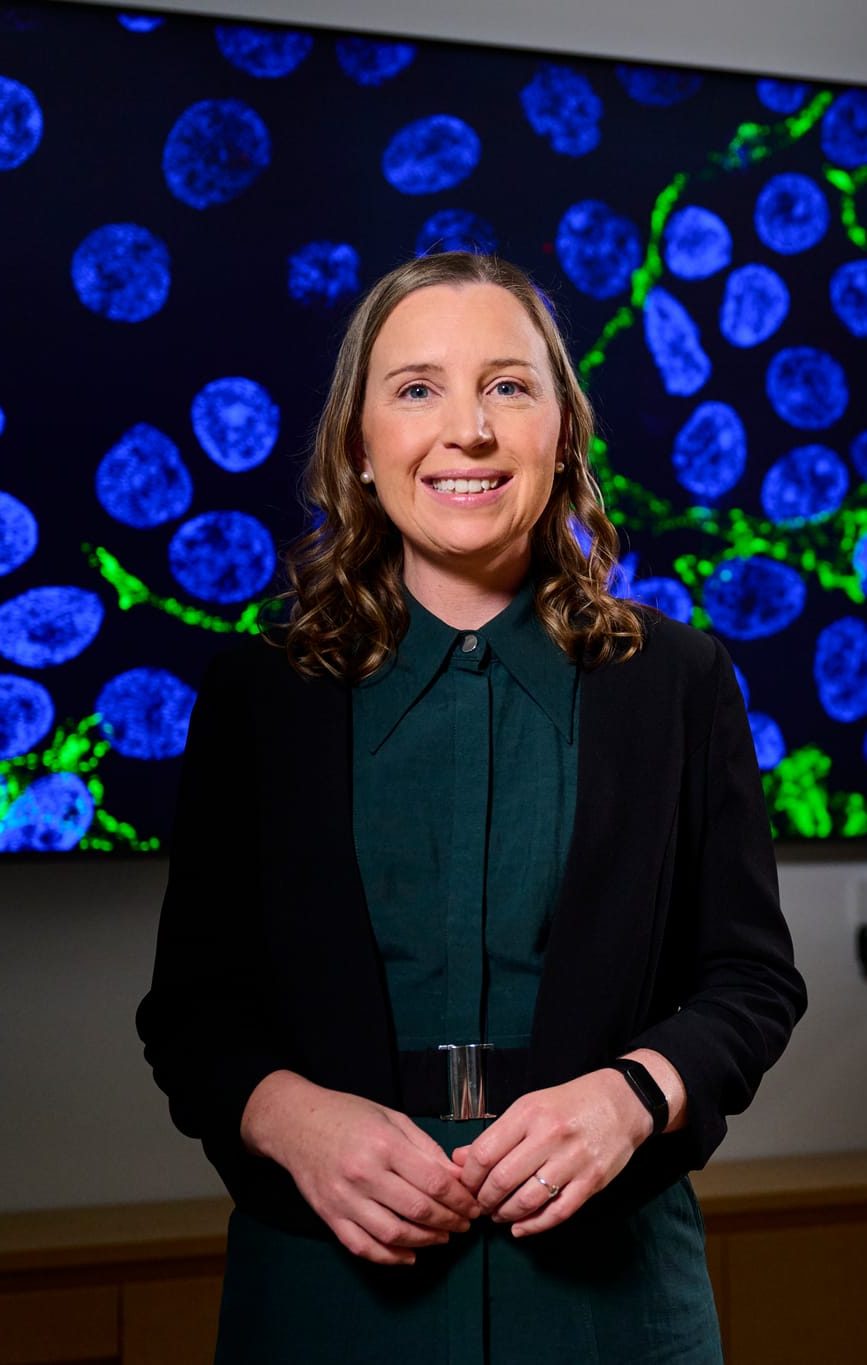 A world-first global study at the Lions Eye Institute is revealing new insights into myopia. Led by Associate Professor Holly Chinnery, this pioneering research is shifting the focus from traditional genetic and structural views to the potential role of the immune system in myopia’s development.
Myopia occurs when the eye grows too long. Recent evidence suggests inflammation and immune activity in the front of the eye, and systemically throughout the blood circulation, may also play a key role.
“This opens up entirely new treatment possibilities,” Associate Professor Holly Chinnery explains. If immune signals or pathways are identified, researchers could potentially slow or prevent myopia progression in children, even before symptoms appear.
“For the first time, we can watch immune cells moving inside the human eye,” says Associate Professor Chinnery, describing the cutting-edge imaging technology that makes this possible.
The study also explores how atropine eye drops, commonly used to slow myopia, might influence the immune system, potentially reshaping myopia
management. Beyond vision, the imaging technology could also help detect or monitor immune responses to therapies in people with other eye conditions like dry eye disease, or age-related macular degeneration.
This research study, which is currently in the recruitment phase, has the potential to protect future generations from vision loss and unlock critical insights into overall health.
“We have the equipment, the expertise, and the excitement to push this forward. The Lions Eye Institute has a strong history of doing high-class, internationally recognised research into the cause and prevention of childhood myopia. What we need now is support to scale up and transform how we understand myopia, using novel, innovative techniques” said Associate Professor Holly Chinnery.

