
The Lions Vision Trials team, along with our world-class ophthalmologists, plays a pivotal role in advancing the field of ophthalmic research. By conducting a wide range of clinical trials, the Lions Vision Trials team is dedicated to developing innovative treatments that not only aim to prevent and treat blindness but also offer patients access to groundbreaking therapies before they are made widely available.
Sponsored and investigator-initiated trials
The Lions Vision Trials team is at the forefront of conducting both sponsored and investigator-initiated trials. Sponsored trials typically involve pharmaceutical or biopharmaceutical companies testing new treatments, while investigator-initiated trials are driven by the clinical curiosity and expertise of researchers within the Lions Eye Institute.
Both types of trials are integral in ensuring that the most advanced treatments are brought to patients in need.
The L-CVBS Extension study by Professor McAllister
A notable investigator-initiated trial that recently concluded at the Lions Eye Institute is the L-Central Vein Bypass Extension Study (L-CVBS Extension), led by Professor Ian McAllister.
Professor McAllister, has been refining the treatment for central retinal vein occlusion (CRVO) for over two decades. His work has evolved from early studies in the 2000s (CVBS Study) that demonstrated that laser bypass treatment could improve vision outcomes for patients with CRVO, to the groundbreaking L-CVBS study, which showed that a combination of laser bypass treatment and Lucentis injections could reduce the number of injections required for patients, while improving their vision.
The L-CVBS Extension Study built on this previous research and investigated the benefits of combining laser treatment with Lucentis injections for patients with macular swelling caused by CRVO within the clinical setting. The study data shows that the combination therapy, developed at the Lions Eye Institute, can provide more effective vision improvements and reduce the need for frequent eye injections, thus, making this approach potentially more efficient and cost-effective for managing CRVO.
Professor McAllister’s long-term dedication to improving treatments for CRVO highlights the importance of investigator-led research at the Lions Eye Institute. His focus on patient care and thorough research plays a key role in advancing eye care, both locally and globally.
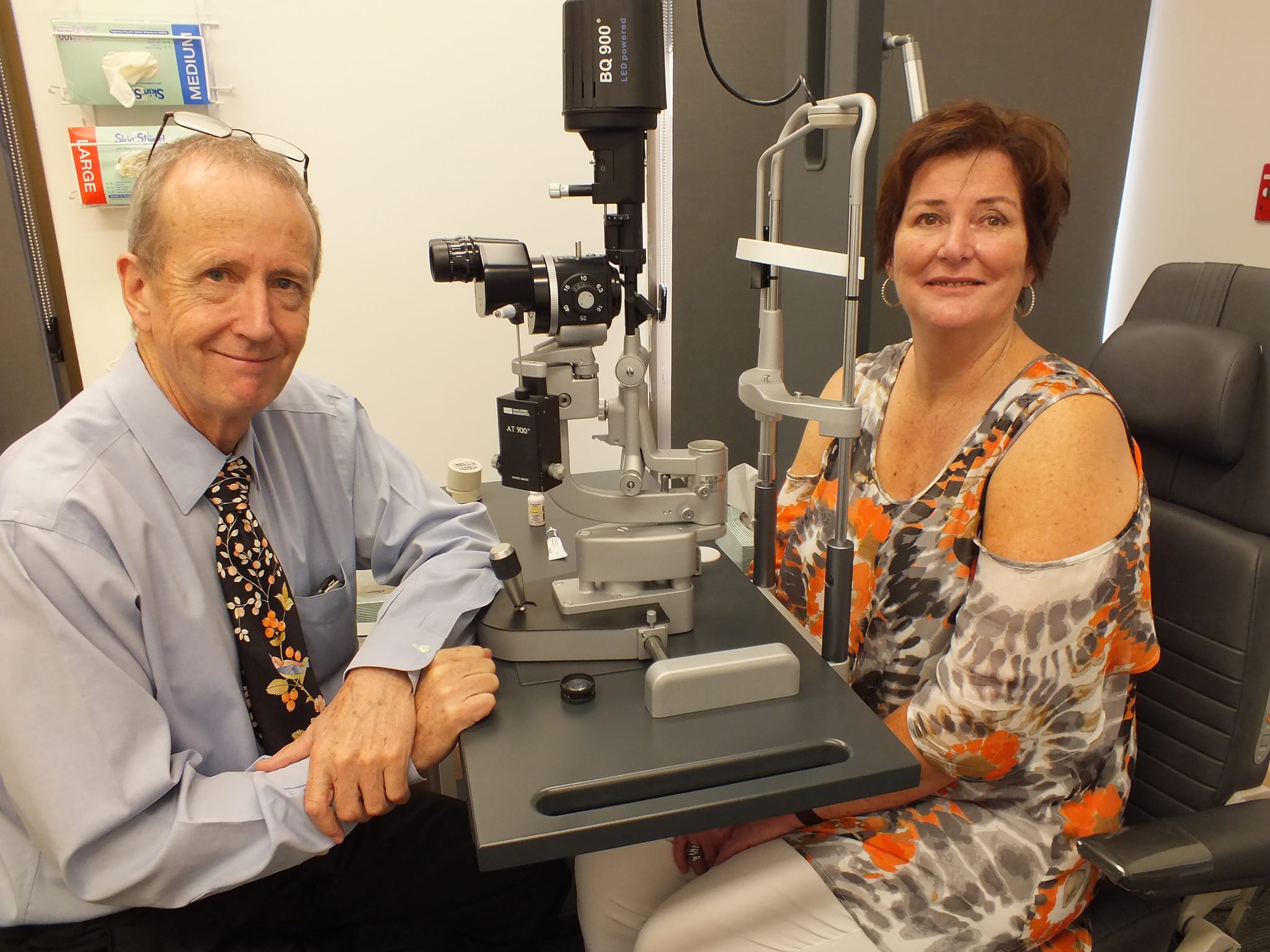
A clinical trial led by Professor Ian McAllister enabled Gaye to receive a specialised laser treatment that restored her sight by creating a bypass for her blood to travel through
The Nacuity Pharmaceuticals NPI-001 study
On the sponsored side, the Nacuity Pharmaceuticals NPI-001 Study is a prime example of how the Lions Vision Trials team collaborates with industry partners to bring new treatments to patients. Nacuity, a biotechnology company, is investigating the use of NPI-001, an oral treatment for retinitis pigmentosa associated with Usher syndrome, a condition that leads to progressive vision loss and hearing impairment.
The trial, conducted across multiple sites, including the Lions Eye Institute, has yielded encouraging results. NPI-001 was well tolerated by participants and the trial demonstrated a significant reduction in photoreceptor loss, with the treatment slowing photoreceptor degradation by more than 50 per cent over two years. This marks an important step forward in treating a condition for which there are currently limited therapeutic options.
Though retinal sensitivity did not show statistically significant improvement over the 24-month study period, participants treated with NPI-001 experienced a nearly 30 per cent slower loss of visual function compared to those receiving a placebo. These results are considered a proof of concept for NPI-001 as a potential treatment for retinitis pigmentosa and Usher Syndrome, and Nacuity plans to launch a confirmatory study in 2026.
The collaboration between Nacuity Pharmaceuticals, Associate Professor Fred Chen and the Lions Vision Trials team is a prime example of how sponsored trials can contribute to the development of therapies that address urgent unmet needs in ophthalmology. The promising results of NPI-001 bring hope to the retinitis pigmentosa and Usher syndrome communities, showing potential for a new, accessible oral treatment to slow the progression of these devastating conditions.
The value of the Lions Vision Trials team
The Lions Vision Trials team serves as a bridge between laboratory discoveries and real-world patient care. Their commitment to both investigator-initiated and sponsored clinical trials ensures that the Lions Eye Institute remains at the cutting edge of ophthalmic research. By fostering collaborations with leading pharmaceutical companies and supporting local researchers like Professor McAllister, the Lions Vision Trials team not only advances scientific understanding but also plays a crucial role in delivering new therapies to patients in need.
The team’s dedication to high-quality, patient-centric research continues to bring hope to those affected by blinding eye diseases, creating new possibilities for sight-saving treatments that will benefit communities worldwide.
The trials run by the Lions Vision Trials team exemplify the importance of rigorous scientific investigation and the pursuit of new therapies that improve lives.
Case Study
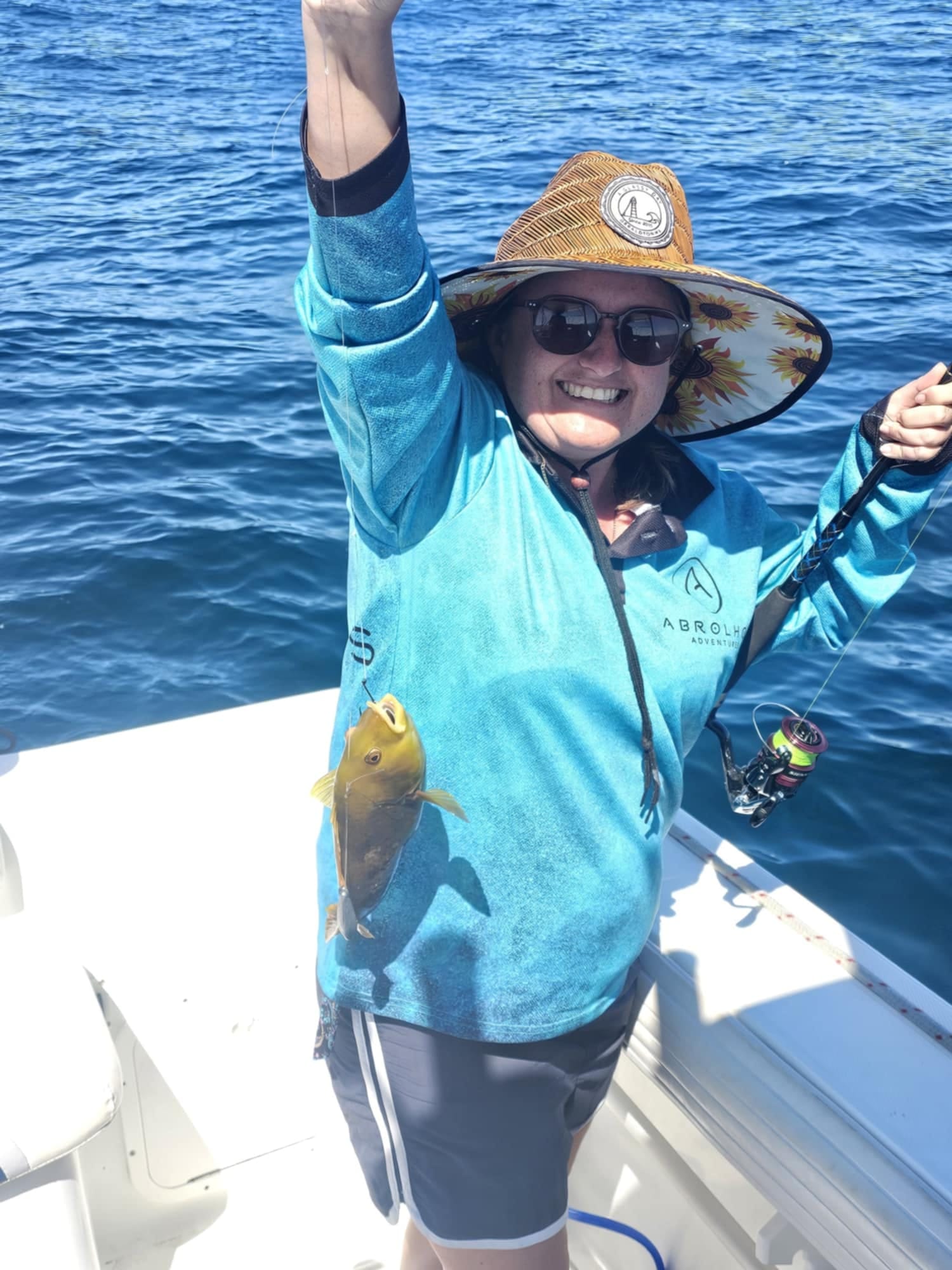
Shelley on a fishing adventure
Shelley, a busy mum of four, has been part of the Lions Eye Institute community since 2020 and a participant in the Nacuity clinical trial. Despite living with Usher syndrome and significant vision loss, she continues to embrace life fully, balancing work, family and outdoor adventures. Shelley credits the support and expertise of Associate Professor Fred Chen and the Lions Eye Institute team for helping her understand her condition, maintain independence and navigate daily challenges with confidence and resilience.
“Being part of the Nacuity trial has been incredibly meaningful. I love helping research by giving my time and usable data from eye scans and tests. The Lions Vision Trials team have guided me with care and compassion, helping me understand my vision journey and to live life to the fullest,” said Shelley.

